We use cookies to make your experience better. Read more

Language:
Toggle Nav 
 كلنا معاك يا كويت
كلنا معاك يا كويت 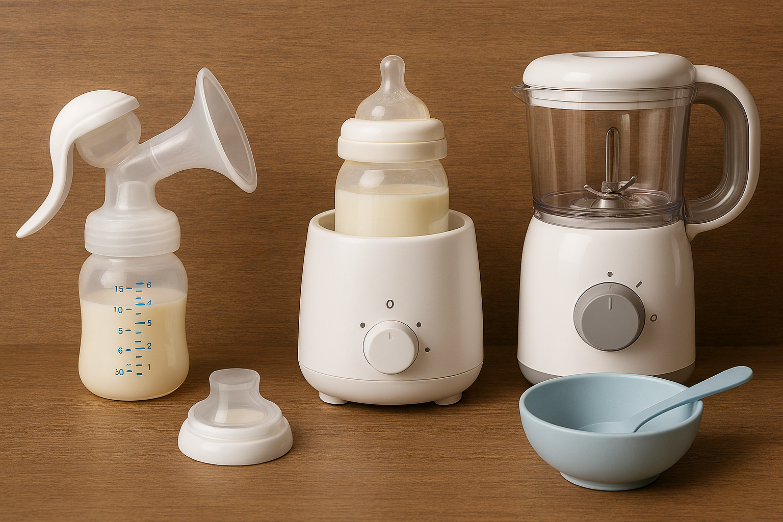
Choosing the right baby feeding appliance is one of the most important decisions new parents make. It’s not just about convenience—it’s about safety, nutrition, comfort, and bonding. Whether you're breastfeeding, formula-feeding, or transitioning to solids, the right tools can make feeding smoother, healthier, and more enjoyable for both baby and parent.
This guide will walk you through everything you need to know to select the best feeding appliances—from bottles and sterilizers to warmers and food processors—based on your baby’s age, dietary needs, and your lifestyle.
Why Feeding Appliances Matter
Feeding is more than a daily routine—it’s a nurturing ritual that supports growth, development, and emotional connection. The right appliances help:
- Ensure hygienic and safe feeding
- Maintain optimal milk temperature and flow
- Reduce colic, gas, and reflux
- Support breastfeeding transitions
- Simplify food preparation and storage
- Save time and reduce stress for parents
Key Factors to Consider Before Buying
Before diving into product categories, here are the core criteria every parent should evaluate:
Safety and Material Quality
- BPA-Free: Always choose BPA-free plastics or food-grade silicone
- Glass vs. Plastic vs. Stainless Steel:
- Glass: Durable and chemical-free but heavier and breakable
- Plastic: Lightweight and affordable but must be BPA-free
- Stainless Steel: Eco-friendly and odor-resistant but pricier
Ease of Cleaning
- Wide-neck bottles and simple appliance designs reduce cleaning time
- Dishwasher-safe components are a plus
- Avoid appliances with too many small parts that trap residue
Age Appropriateness
- Newborns need slow-flow nipples and compact bottles
- Older babies require faster flow, larger bottles, and solid food tools
- Toddlers benefit from spill-proof cups and snack containers
Feeding Method
- Breastfeeding moms may need pumps, storage bags, and warmers
- Formula-feeding parents benefit from dispensers and mixers
- Mixed feeders need versatile appliances that support both
Lifestyle Fit
- Travel-friendly options for on-the-go parents
- Compact appliances for small kitchens
- Smart features for tech-savvy households
Baby Bottles: The Foundation of Feeding
Types of Bottles
Bottle Type | Best For | Pros | Cons |
Standard Bottles | Everyday use | Affordable, widely available | May lack anti-colic features |
Wide-Neck Bottles | Easy cleaning and filling | Mimics breastfeeding | Bulkier |
Anti-Colic Bottles | Babies with gas or reflux | Reduces air intake | More parts to clean |
Glass Bottles | Chemical-free feeding | Durable, odor-free | Heavy, breakable |
Silicone Bottles | Soft and squeezable | Lightweight, flexible | Less common |
Stainless Steel | Eco-conscious parents | Long-lasting, hygienic | Expensive |
What to Look For
- Flow Rate: Slow for newborns, medium for 3–6 months, fast for older babies
- Nipple Shape: Breast-like nipples ease transition from breastfeeding
- Ventilation System: Built-in vents reduce colic and spit-up
- Size: 120–150 ml for newborns, 240–300 ml for older babies
Bottle Warmers: Precision and Convenience
Bottle warmers ensure milk is heated evenly and safely—no hot spots or nutrient loss.
Features to Prioritize
- Temperature Control: Adjustable settings for breast milk, formula, and baby food
- Auto Shut-Off: Prevents overheating and ensures safety
- Compatibility: Fits various bottle sizes and materials
- Speed: Fast warming for midnight feeds
Top Use Cases
- Breast milk preservation (avoid microwave heating)
- Formula prep during travel
- Warming refrigerated milk or purees
Sterilizers: Hygiene First
Sterilizers eliminate bacteria, viruses, and mold from bottles, nipples, and pacifiers.
Types of Sterilizers
Sterilizer Type | Pros | Cons |
Electric Steam | Fast, thorough, multi-bottle | Requires power source |
Microwave Steam | Compact, affordable | Limited capacity |
UV Sterilizers | Chemical-free, dry sterilization | Expensive |
Cold Water Tablets | Portable, no electricity needed | Slower, chemical-based |
Buying Tips
- Choose based on kitchen space and usage frequency
- Look for models with drying functions to prevent mold
- Ensure compatibility with your bottle brand and size
Baby Food Makers: From Milk to Meals
As your baby transitions to solids (around 6 months), food makers become essential.
Functions to Look For
- Steam + Blend Combo: Preserves nutrients while pureeing
- Portion Control: Prepares small, baby-sized servings
- Easy Cleaning: Dishwasher-safe parts and simple assembly
- Multi-Stage Use: Supports purees, mashed foods, and chunkier textures
Ideal for
- Homemade purees (carrot, apple, spinach)
- Batch cooking and freezing
- Avoiding preservatives and additives
Milk and Food Storage Solutions
Proper storage maintains freshness and safety.
Must-Have Features
- Leak-Proof Lids: Prevent spills during travel
- Labeling Space: Track dates and contents
- Freezer-Safe: For batch-prepped meals
- Stackable Design: Saves fridge space
Storage Options
- Breast milk storage bags
- Glass jars with silicone lids
- BPA-free plastic containers
- Silicone freezer trays
Transition Tools: Cups, Spoons, and More
As babies grow, they need tools that support independence.
Essentials by Age
Age Range | Appliance Needed | Features to Look For |
6–9 months | Soft-tipped spoons | Gentle on gums, ergonomic handle |
9–12 months | Sippy cups | Spill-proof, easy grip |
12+ months | Snack containers | Portion control, travel-friendly |
18+ months | Training plates & bowls | Suction base, divided sections |
How to Shop Smart on Bazaar.com.kw
Bazaar.com.kw offers a curated selection of baby feeding appliances that meet international safety standards and cater to every parenting style. Here’s how to make the most of your shopping experience:
Use Filters Wisely
- Filter by age group, brand, material, and appliance type
- Check for “BPA-Free,” “Anti-Colic,” and “Sterilizer-Compatible” tags
Bundle and Save
- Look for feeding sets that include bottles, nipples, brushes, and sterilizers
- Explore combo deals for food makers and storage containers
Read Product Descriptions Carefully
- Look for compliance notes (e.g., EU safety standards, FDA-approved materials)
- Check for compatibility with other appliances (e.g., bottle warmers)
Check Reviews and Ratings
- Prioritize products with verified parent reviews
- Look for feedback on durability, ease of use, and cleaning
Expert Tips for First-Time Parents
- Start Simple: Begin with 2–3 bottles and scale up based on baby’s response
- Test and Learn: Babies may prefer certain nipple shapes or flow rates
- Stay Hygienic: Sterilize daily, especially in the first 6 months
- Watch for Allergies: Monitor reactions to materials like latex or silicone
- Don’t Overbuy: Babies grow fast—buy age-appropriate appliances in phases
Feeding Appliances and Emotional Bonding
Feeding isn’t just functional—it’s emotional. The right appliances can:
- Mimic breastfeeding closeness
- Reduce feeding stress and frustration
- Support shared feeding roles between parents
- Create calm, predictable routines
Choose appliances that support your parenting style, whether it’s attachment-based, scheduled, or flexible.
Compliance and Safety Checklist
Before purchasing any baby feeding appliance, verify:
- BPA-free and phthalate-free certification
- CE or FDA approval (depending on region)
- Age-appropriate labeling
- Clear cleaning and sterilization instructions
- Warranty and return policy
Bazaar.com.kw ensures all listed baby products meet regional safety and advertising standards, making it a trusted destination for new parents.
Final Thoughts
Choosing the right baby feeding appliance is a journey—one that evolves with your baby’s growth and your parenting rhythm. From bottles and warmers to food makers and storage solutions, each tool plays a role in nurturing your child’s health, comfort, and happiness.
At Bazaar.com.kw, you’ll find everything you need to build a safe, efficient, and joyful feeding experience. Explore the latest collections, compare features, and invest in appliances that support your baby’s milestones—one feed at a time.
Comment(s)
Recent Posts


